
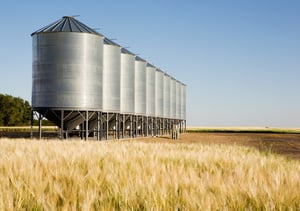
 Over the course of the few months, there have been quite a few articles popping up on how dangerous in can be working in grain bins. Today, we want to take some time to provide general safety tips for grain handling.
What is the Risk?
People working in grain handling facilities, particularly young workers, run the risk of being trapped by grain. This is why under federal law workers below the age of 16 cannot work in confined spaces. Multiple deaths injuries have occurred due to workers not being trained in rescue procedures and becoming trapped as well. Pulling a worker out of a grain bin requires more force than rescuing someone from under water, as grain does not have buoyancy. Proper rescue systems must be implemented in grain handling procedures to overcome the resistance.
OSHA has a set forth requirements regarding hazards in grain handling facilities covering topics including:
- Dust Accumulations
- Explosions
- Hazardous Atmospheres
- Confined Spaces, and
- Emergencies
In addition, States may have their own programs that may include additional requirements. It is crucial to remember just how dangerous entering grain bins can be, and to follow the necessary precautions provide by OSHA and state laws.
Why is This Prevalent?
In 2010, OSHA began to increase the inspections of numerous grain handling operations. Almost 75% of the worksites inspected that year were in violation of some OSHA standards. Hence, OSHA has sent out notification letters to worksites in regard to basic safeguards workers must use:
- Published the grain handling fact sheet revision
- Developed a wallet card on grain bin entry
- And updated the webpage for grain handling safety and health.
Tips on Grain Handling
For the last two years, Grain Safety Week, has also provided workers with a great resource to bring awareness of the safety issues surrounding handling grain bins properly. The Grain Safety Week website is a great resource for safety meetings and general information procedures and proper grain handling training.
Here are some more tips taken from the EHS Safety News America article done on April 25, 2015:
- Don’t enter a grain bin unless you need to with a “bin entry permit”
- Always have an outside observe when working in a grain bin.
- Always check gas and oxygen levels before entering a grain bin
- Always secure a lifeline for anyone inside the bin and make sure there is adequate lighting
- As a last resort, cross your arms in front of your chest so you can breathe if you are sinking
- Always train and practice as often as possible.